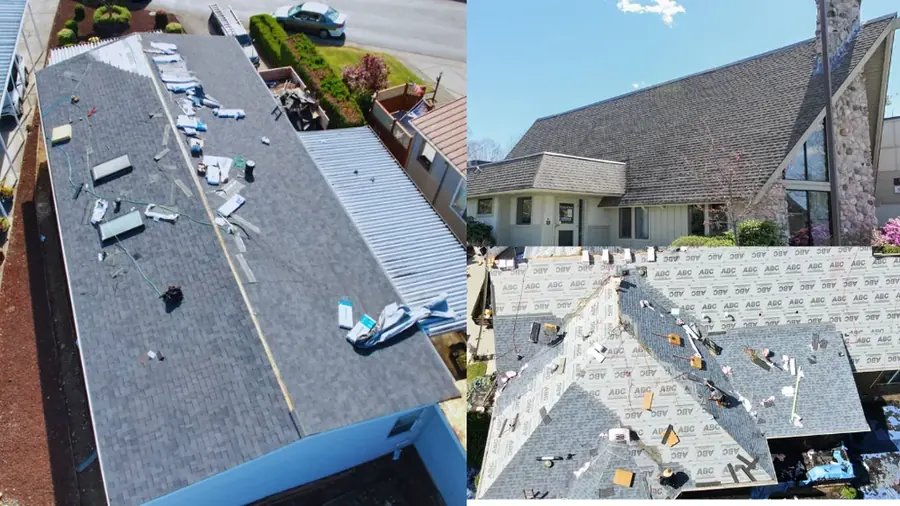
How the crew handles roof leak water damage in Pasadena
Call and dispatch
A real person answers 24/7 and the nearest Pasadena crew rolls with pumps, air movers, and moisture meters.
On-site assessment
The crew traces the source and the full reach of the water, including what soaked into subfloor, plaster, and wall cavities.
Extract and dry
The extraction crew pulls the standing water, then runs air movers and dehumidifiers to the IICRC S500 standard, not just the surface.
Verify and document
The drying team logs moisture readings until the structure reads truly dry, then documents the loss for your insurance claim.
Water coming in through the roof during a Pasadena storm needs two things fast: the intrusion stopped up top and everything it soaked inside dried out. Crews tarp the roof to stop the active leak, trace where the water actually got in, and dry every wall and ceiling it touched. The crew answers live around the clock and reaches the Playhouse District, Garfield Heights, Orange Heights, Hastings Ranch, and the rest of Pasadena day or night. Call (626) 314-6471.
Why Pasadena's older roofs leak in storms
Pasadena gets most of its rain in a handful of hard winter storms, and they rarely arrive gently. The region's fierce Santa Ana winds rake older roofs ahead of the rainy season, lifting tile and working shingles and flashing loose before a drop has fallen. When the storm lands, wind-driven rain is pushed sideways up under those gaps, so a roof that shed light rain for years can leak the moment a driven downpour lines up with the wind. The National Weather Service in Los Angeles tracks the wind and storm timing behind it, and when the same storm brings wider damage the storm damage restoration crew handles the rest of the property.
Emergency tarping stops the water first
The first job in an active roof leak is not diagnosis, it is stopping the water. Crews get a proper tarp over the entry point to cut off the intrusion, then protect the contents and floors underneath it. A tarp that is anchored and lapped correctly holds through the storm and buys the time to dry the inside and schedule the real roof repair, instead of letting every hour of rain add to the loss.
Tracing where roof water gets in and where it travels
Roof water almost never comes through directly below where it entered. It runs down rafters, along the top of a ceiling, and inside wall cavities before it finds a seam to surface, so the wet spot can be rooms from the actual breach, which is often why a roof leak first shows up as a ceiling leak a room away. Crews use moisture meters and thermal imaging to find the true point of entry and map the path it took. Water left sitting in a wall or attic after a roof leak is exactly where mold starts, so once crews dry it the mold remediation team treats the cavity when needed. The EPA guide to mold covers why a hidden, damp cavity is such a common place for it to grow.
Storm damage versus wear and tear
One distinction drives a roof-leak claim more than any other. Sudden storm damage, like wind lifting tile and driving rain in, is the kind of loss most homeowners policies are built to cover, while a leak blamed on a worn-out roof or missed maintenance is often treated as wear and tear and denied. Crews record the loss the way adjusters expect, with dated photos and moisture readings that show the storm cause. Crews handle everything the water touched inside and the structural drying crew dries it to a verified standard, while a roofer makes the permanent repair, so the interior is dry before the roof is closed up.
Rain coming through the roof right now? Call and a crew heads out across Pasadena to tarp it, stop the water, and start drying inside.
☎ Call (626) 314-6471Santa Ana winds set up the leak
Before the first real rain, Santa Ana winds rake older roofs across Pasadena, lifting tile and working shingles and flashing loose. When the storm lands, the rain is driven sideways into the gaps the wind opened, which is why a roof over a Hastings Ranch or Orange Heights home can shed light rain for years and then leak in the first driven downpour of the season.
Why Pasadena homeowners call us
Rapid local response
The response team answers 24/7, and the nearest crew heads out the moment you call, across Pasadena and the San Gabriel Valley.
IICRC S500 drying standard
Crews take daily moisture readings and dry to the IICRC S500 standard before the equipment comes out, not just the surface.
Claim-ready documentation
The loss is documented with photos and daily moisture readings, the paperwork an adjuster needs to move a claim.
Local water damage experts
From galvanized pipes to slab foundations and foothill runoff, the local pros know how water moves in Pasadena and the San Gabriel Valley.
From Old Pasadena across the west San Gabriel Valley
Pasadena water damage pros respond city-wide and across the west San Gabriel Valley, day or night.
Local crews cover all of Pasadena and the west San Gabriel Valley, day or night. Whoever answers the Pasadena line asks for the cross street and which level of the home is wet.
Coverage runs across Pasadena, Altadena, South Pasadena, San Marino, Arcadia, Sierra Madre, La Canada Flintridge, Monrovia, San Gabriel, Temple City, and Alhambra.
See every neighborhood and ZIP covered ›Related restoration services
Common questions, answered
Can you stop a roof leak while it is still raining?
Yes. The first move on an active roof leak is an emergency tarp over the entry point to cut off the water, then crews protect the rooms below and start drying. Stopping the intrusion early is what keeps a one-room leak from becoming a whole-floor loss.
Do you repair the roof itself?
Crews handle all of the interior water damage, the tarp, the tracing, and the drying. A roofer makes the actual roof repair. Crews coordinate the two so the inside is dry before the roof is closed up, and the jobs line up instead of waiting on each other.
Why did my roof suddenly start leaking?
In Pasadena it is usually wind-driven rain. Santa Ana winds lift tile and loosen shingles and flashing on older roofs before the rainy season, and when a driven storm hits, rain is pushed up under those gaps. A roof that shed light rain for years can leak that day.
The stain is in one spot, is that where the roof leaks?
Usually not. Roof water runs down rafters and inside walls before it surfaces, so the entry point is often feet or rooms from the stain. Crews trace the true point of entry with meters and thermal imaging instead of assuming the breach is right above the wet spot.
Will insurance cover a roof leak?
Usually yes when the leak is sudden storm damage, such as wind lifting tile and driving rain in. A leak blamed on a worn-out roof or missed maintenance is often treated as wear and tear and denied. Crews document the loss so the storm cause is clear for your claim.
How long can the tarp stay on the roof?
A tarp that is anchored and lapped correctly holds through the storm and the days it takes to dry the inside and get a roofer scheduled. It is a reliable temporary cover, not a permanent fix, so the crew coordinates the roof repair as soon as the weather allows.
Do I need to be home for emergency tarping?
It helps to have someone let the crew in to check the interior, but crews can begin the exterior tarp work to stop the water and coordinate access for the drying. The priority is getting the intrusion stopped before more rain adds to the damage.
How fast can you respond during a storm?
Crews reach most of Pasadena and the west San Gabriel Valley day or night, day or night. The faster crews tarp the roof and start drying, the less the water spreads down inside the walls and across the ceilings below.
Pasadena's water damage crew is standing by
Water sitting means damage growing. Call SOS Restoration and a Pasadena crew heads out across the San Gabriel Valley, day or night.
(626) 314-6471One call brings a Pasadena crew to your door, any hour