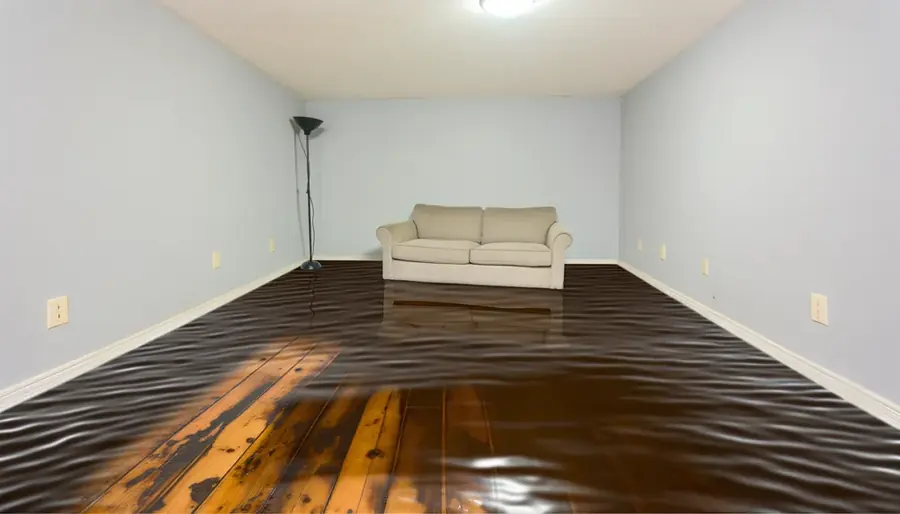
How the crew handles flood damage cleanup in Pasadena
Call and dispatch
A real person answers 24/7 and the nearest Pasadena crew rolls with pumps, air movers, and moisture meters.
On-site assessment
The crew traces the source and the full reach of the water, including what soaked into subfloor, plaster, and wall cavities.
Extract and dry
The extraction crew pulls the standing water, then runs air movers and dehumidifiers to the IICRC S500 standard, not just the surface.
Verify and document
The drying team logs moisture readings until the structure reads truly dry, then documents the loss for your insurance claim.
Flooding in Pasadena arrives fast in the big winter storms, filling garages and ground floors before the rain even eases. The response team answers live around the clock and covers West Pasadena, the Lower Arroyo Seco, Linda Vista, and the rest of the city day or night, ready to extract the water and dry your home. Call (626) 314-6471.
The flooding Pasadena actually gets
Most of the year Pasadena is dry, so the storm drains rarely see a real test. Then a winter atmospheric river stalls overhead and drops weeks of rain in a day or two, overwhelming curbs, catch basins, and yard drains at once. Los Angeles County Public Works runs the channels and basins that carry that water, but in a heavy storm the runoff still backs up into low streets and driveways.
The Arroyo Seco and its side channels run high and fast through the west side past the Rose Bowl, so low-lying properties near the Lower Arroyo, San Rafael Hills, and Annandale see water first, and foothill runoff pushes into garages and ground floors across the north of the city. The early-February 2024 atmospheric river that soaked Los Angeles County is the kind of storm that does it.
The flood cleanup process
A flood job runs in a set order so nothing is left wet. Crews extract the standing water first with the water extraction and removal gear, muck out mud and unsalvageable porous material, sanitize the surfaces the water touched, then the structural drying crew dries the structure and monitors it to a verified standard. In practice that looks like:
- Pumping the standing water out of garages, ground floors, and low rooms
- Removing mud and soaked carpet, pad, and drywall that cannot be saved
- Cleaning and disinfecting every surface the floodwater reached
- Drying the framing and flooring and checking daily until it reads dry
- Handling and drying the contents and belongings the water reached
SOS Restoration documents each stage with dated photos and moisture readings, so your loss is recorded from the first pump-out to the final dry reading and your claim has the paper trail adjusters expect.
Floodwater is not clean water
Water that crossed streets, yards, and drains is rarely clean. It often reaches a home as grey Category 2 or black Category 3 water carrying soil, sewage, and whatever it passed, so crews treat it as a health hazard, protect the team, and remove soaked carpet pad, drywall, and porous items that cannot be safely cleaned. When a sewer surcharge is part of it, the sewage and black water crew handles the contaminated water with the right protection.
Flood insurance and your claim
A standard homeowners policy typically excludes rising-water flooding, which is usually covered only by a separate flood policy, often through the National Flood Insurance Program. You can check whether your address sits in a mapped flood zone on the FEMA flood maps. Whatever your coverage, crews document the loss thoroughly so you have a complete record, and no payout is ever promised. Acting fast helps too, since the sooner the water is out and the drying is logged, the cleaner the claim reads.
Water rising in your home right now? Call and a crew is on the way across Pasadena and the west San Gabriel Valley to start the pump-out.
☎ Call (626) 314-6471Mud and rock, or clear water?
If your flooding carried mud, ash, or rock off the foothills, the mudflow and debris-flow cleanup crew is the right call, since that heavy debris has to be shoveled out before drying. If it was mostly clear stormwater in the garage or ground floor, this is the service you want.
Why Pasadena homeowners call us
Rapid local response
The response team answers 24/7, and the nearest crew heads out the moment you call, across Pasadena and the San Gabriel Valley.
IICRC S500 drying standard
Crews take daily moisture readings and dry to the IICRC S500 standard before the equipment comes out, not just the surface.
Claim-ready documentation
The loss is documented with photos and daily moisture readings, the paperwork an adjuster needs to move a claim.
Local water damage experts
From galvanized pipes to slab foundations and foothill runoff, the local pros know how water moves in Pasadena and the San Gabriel Valley.
From Old Pasadena across the west San Gabriel Valley
Pasadena water damage pros respond city-wide and across the west San Gabriel Valley, day or night.
Local crews cover all of Pasadena and the west San Gabriel Valley, day or night. Whoever answers the Pasadena line asks for the cross street and which level of the home is wet.
Coverage runs across Pasadena, Altadena, South Pasadena, San Marino, Arcadia, Sierra Madre, La Canada Flintridge, Monrovia, San Gabriel, Temple City, and Alhambra.
See every neighborhood and ZIP covered ›Related restoration services
Common questions, answered
What causes flooding in Pasadena?
Most flooding comes from winter atmospheric-river storms that overwhelm curbs, catch basins, and yard drains, from foothill runoff off the San Gabriel Mountains, and from the Arroyo Seco and its side channels running high on the west side. It arrives fast and fills garages and ground floors first.
Is floodwater dangerous or black water?
Often, yes. Water that crossed streets, yards, and drains usually reaches a home as grey or black water carrying soil, sewage, and contaminants, so it should be treated as a health hazard. Crews protect the team, disinfect surfaces, and remove porous material that cannot be cleaned.
Does homeowners insurance cover flooding?
A standard homeowners policy typically excludes rising-water flooding, which is usually covered only by a separate flood policy, often through the National Flood Insurance Program. Crews document the loss in full regardless, so you have a complete record for whatever coverage you carry.
Which Pasadena and San Gabriel Valley areas flood most?
Low-lying spots near the Lower Arroyo Seco, San Rafael Hills, and Annandale on the west side see water first, and foothill runoff pushes into garages and ground floors across Altadena and north Pasadena. Any low street or driveway can flood in a big enough storm.
Can you save flooded furniture and belongings?
Crews save what can be safely cleaned and dried and remove what cannot. Solid furniture often dries out, while items that soaked in contaminated floodwater, like upholstered pieces and mattresses, are usually safer to discard. Crews document everything for your claim.
How long does flood cleanup and drying take?
Extraction and muck-out are usually the first day. Structural drying then runs about three to five days depending on how much water came in and how far it spread, and crews monitor daily until the structure reads truly dry.
What should I do right after a flood?
Stay out of standing water until power to that area is off, avoid contact with contaminated water, move what you can to a dry spot, and photograph everything for your claim. Then call (626) 314-6471 and a crew heads your way.
How much does flood cleanup cost?
It depends on how much water came in, how far it spread, and how much material has to be removed. Crews assess on-site, give you a clear scope, document for your insurer, for your claim where the policy allows.
Pasadena's water damage crew is standing by
Water sitting means damage growing. Call SOS Restoration and a Pasadena crew heads out across the San Gabriel Valley, day or night.
(626) 314-6471One call brings a Pasadena crew to your door, any hour